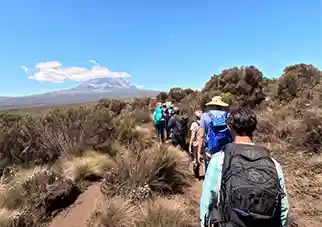
About Mount Kilimanjaro Trekking Tours

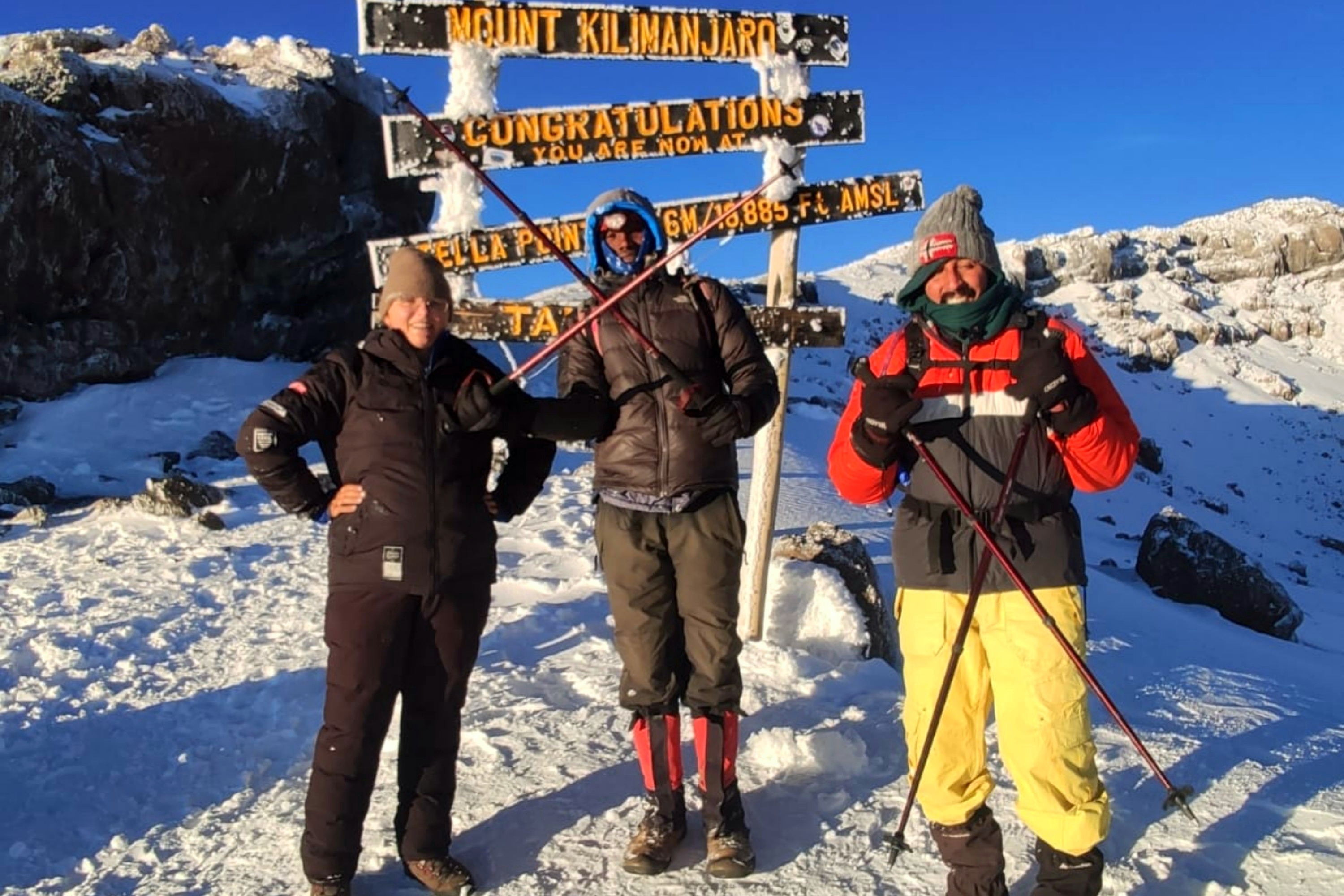
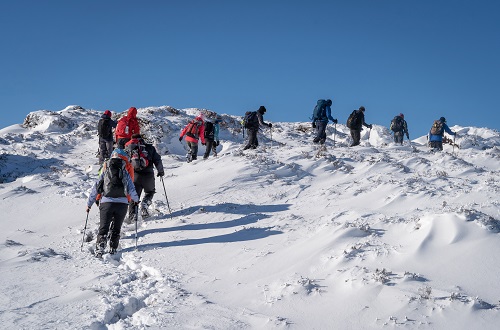
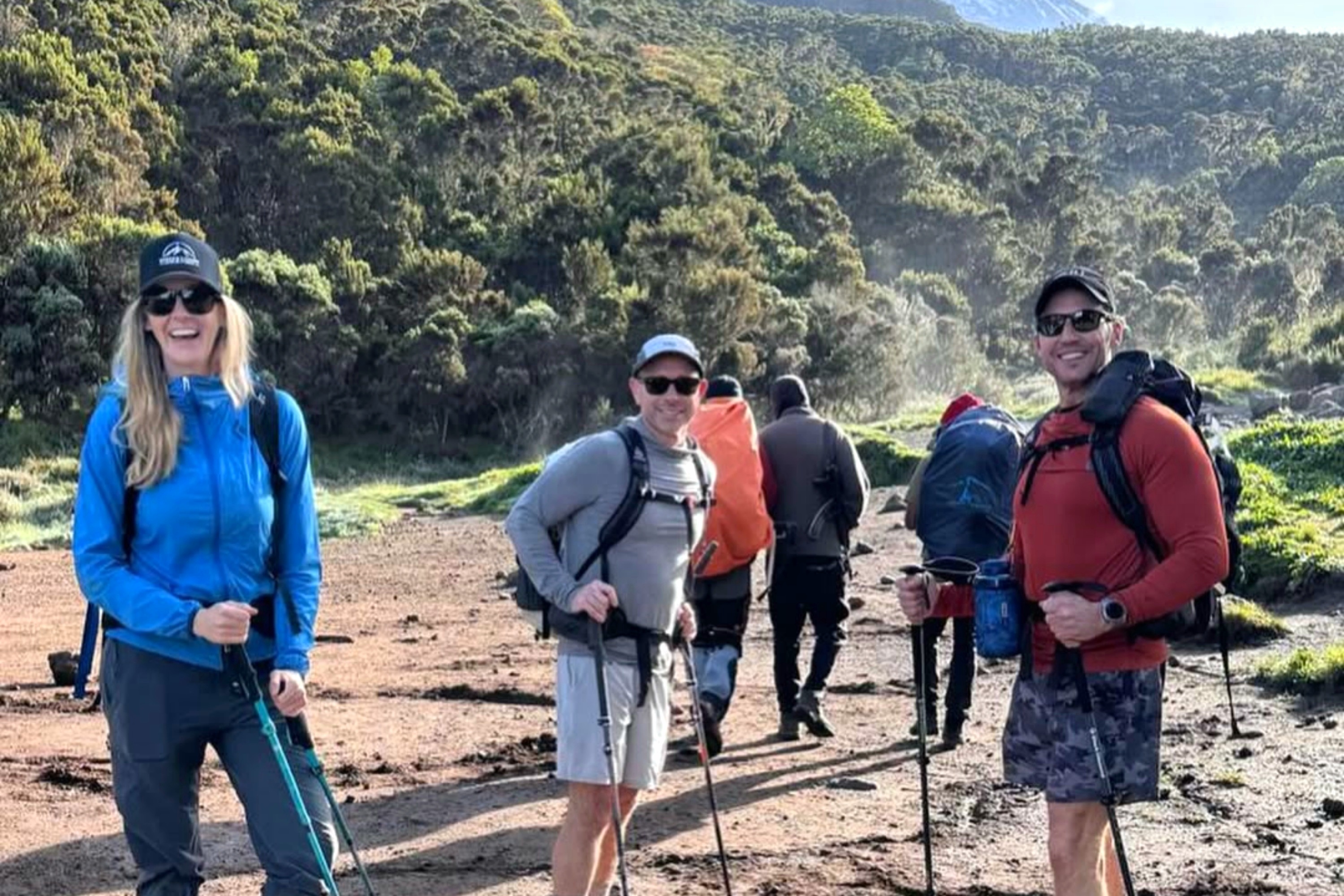
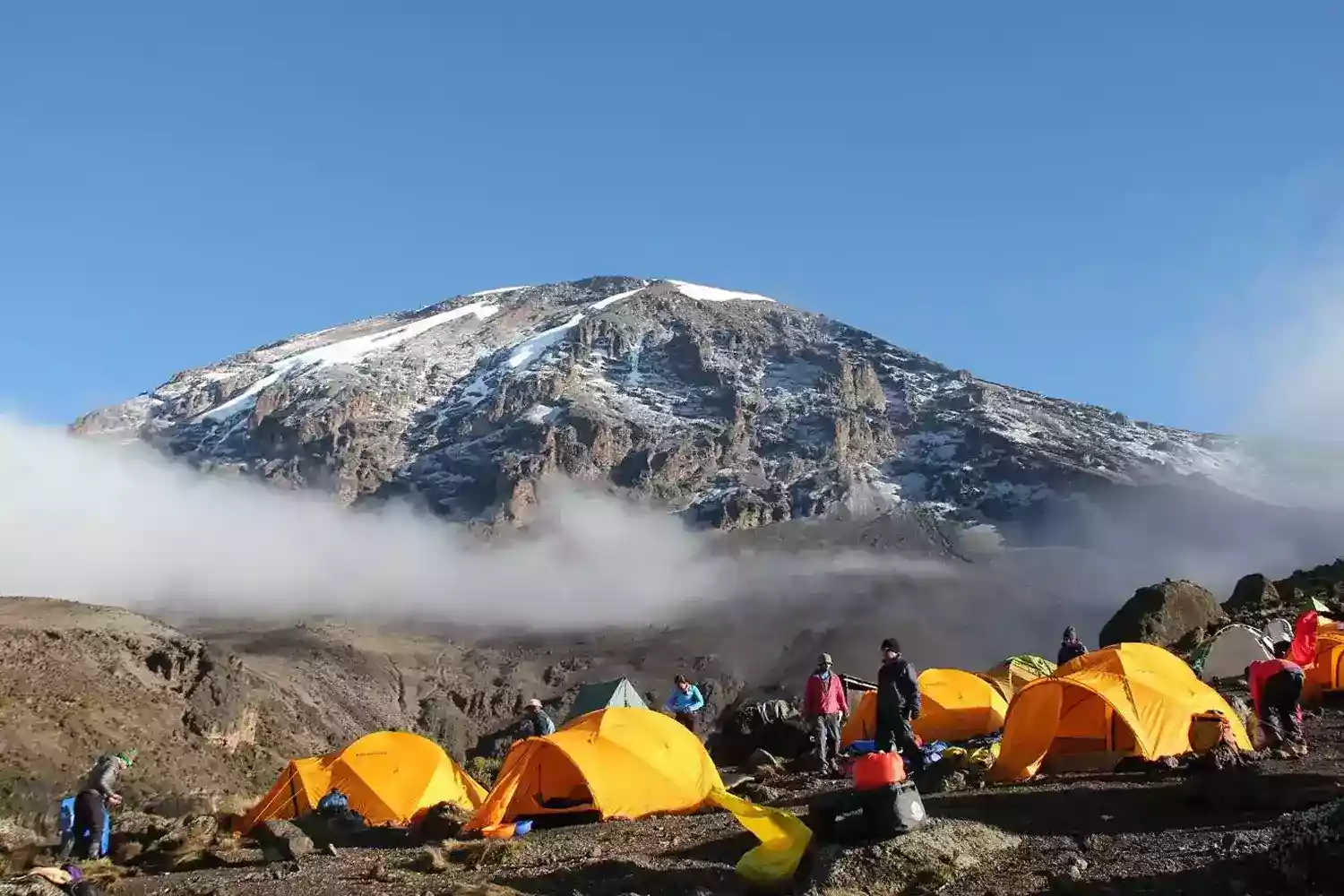
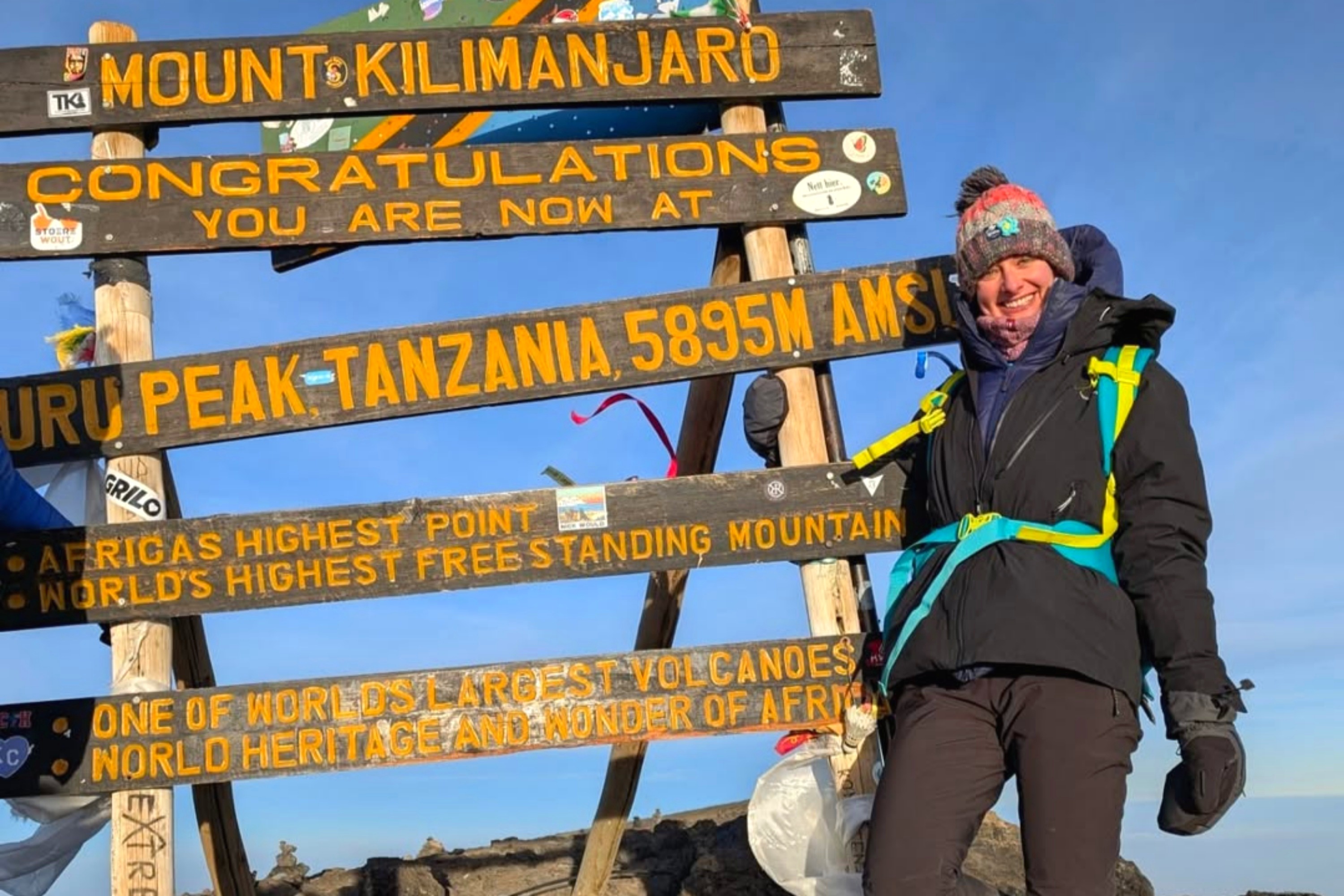
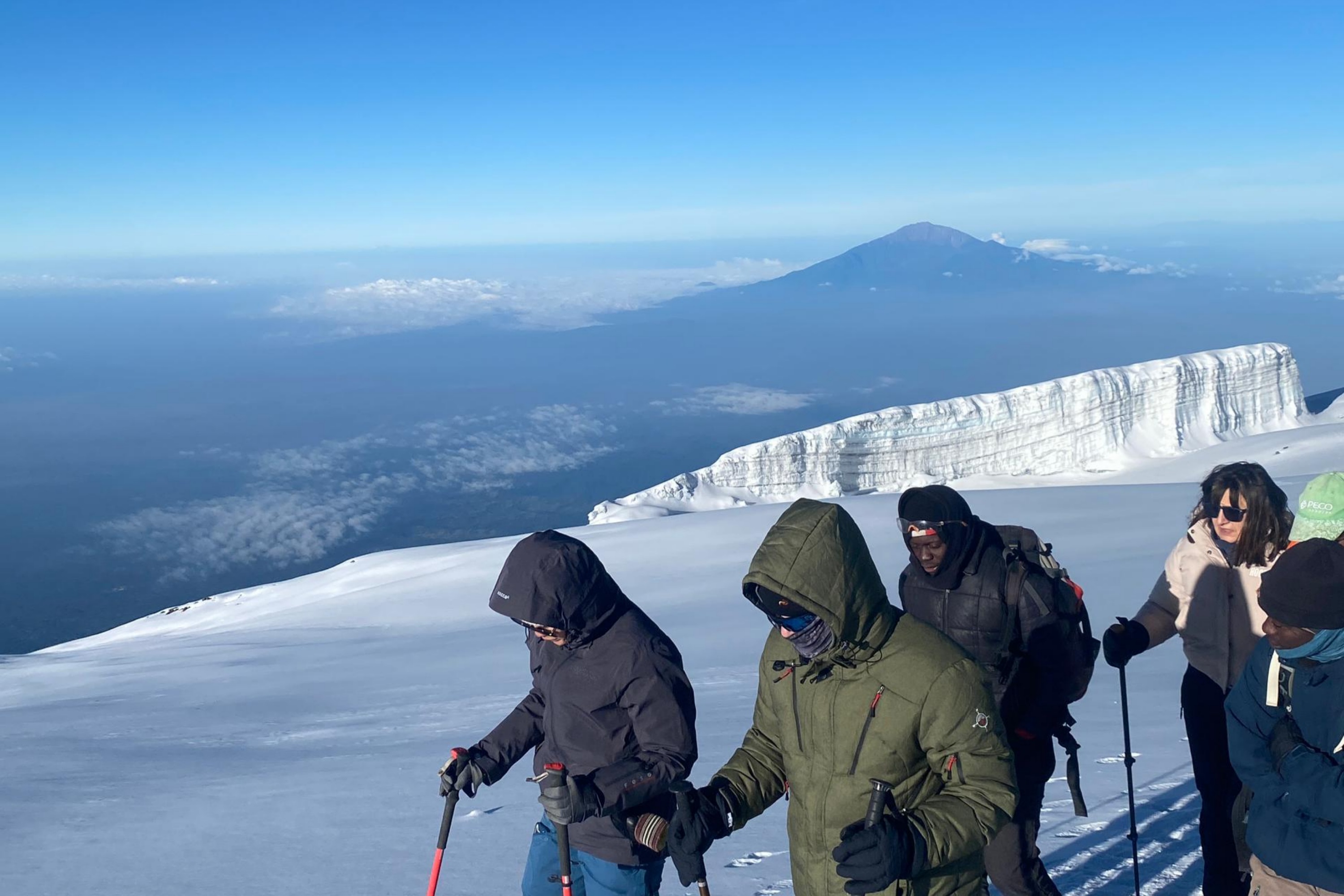
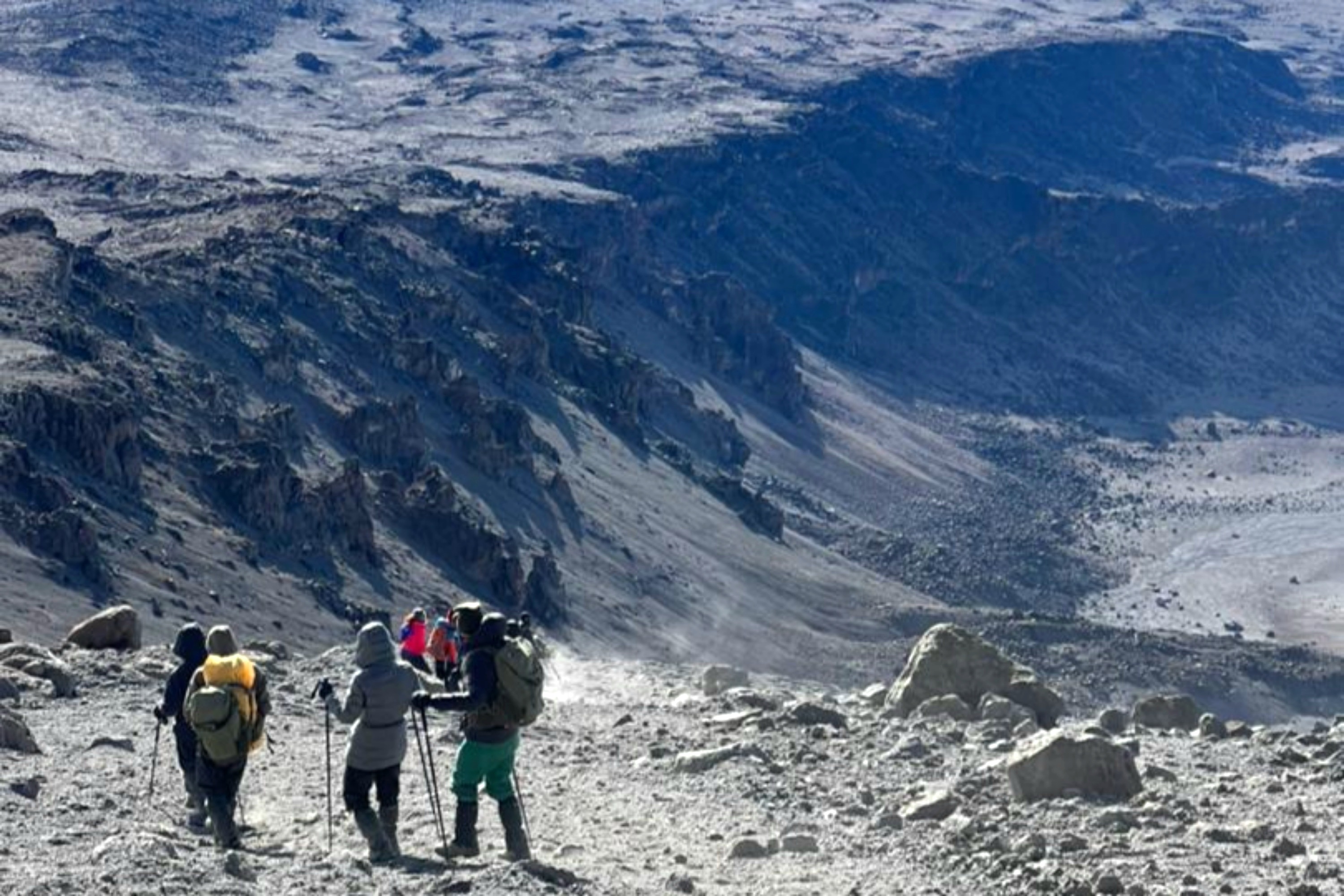
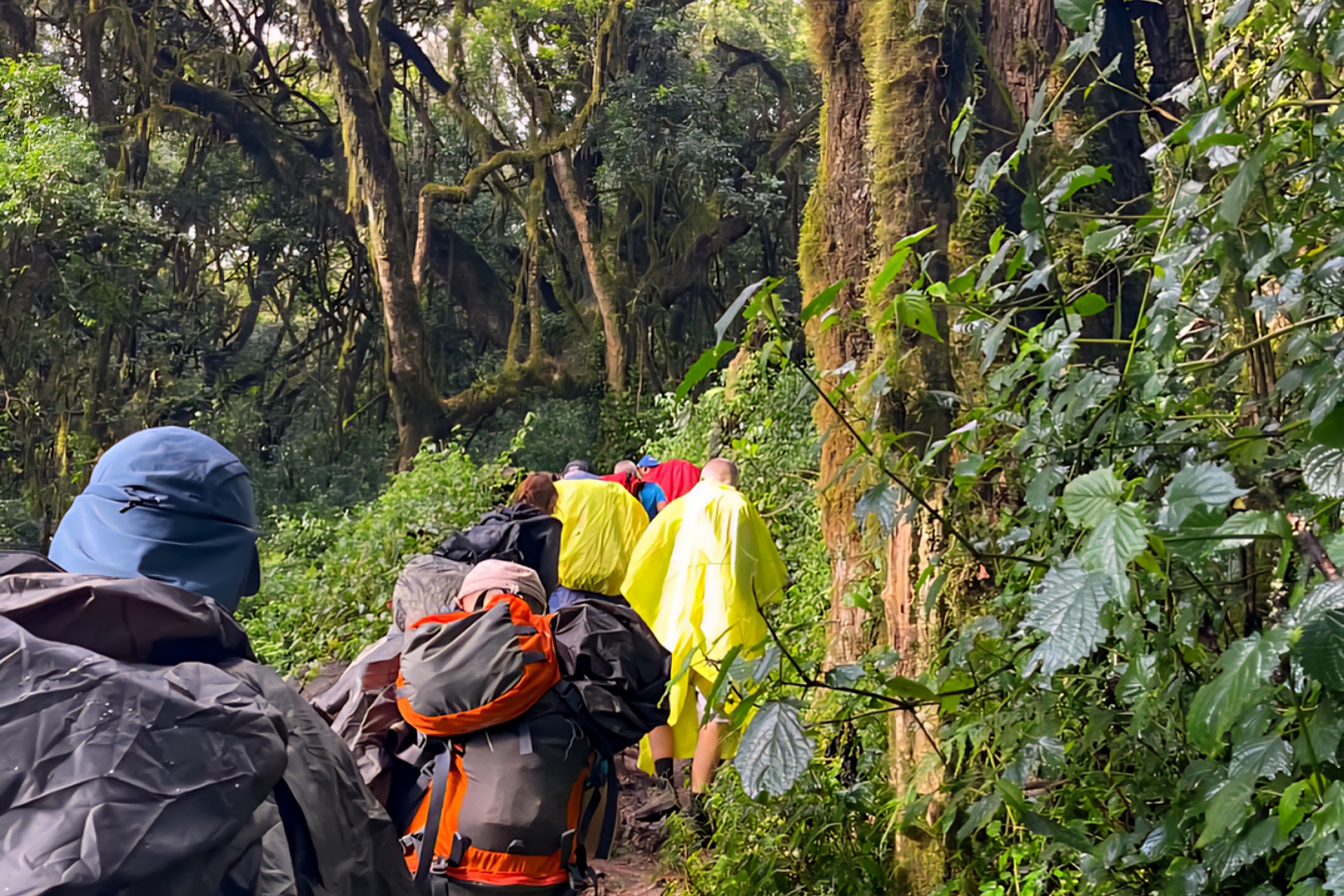
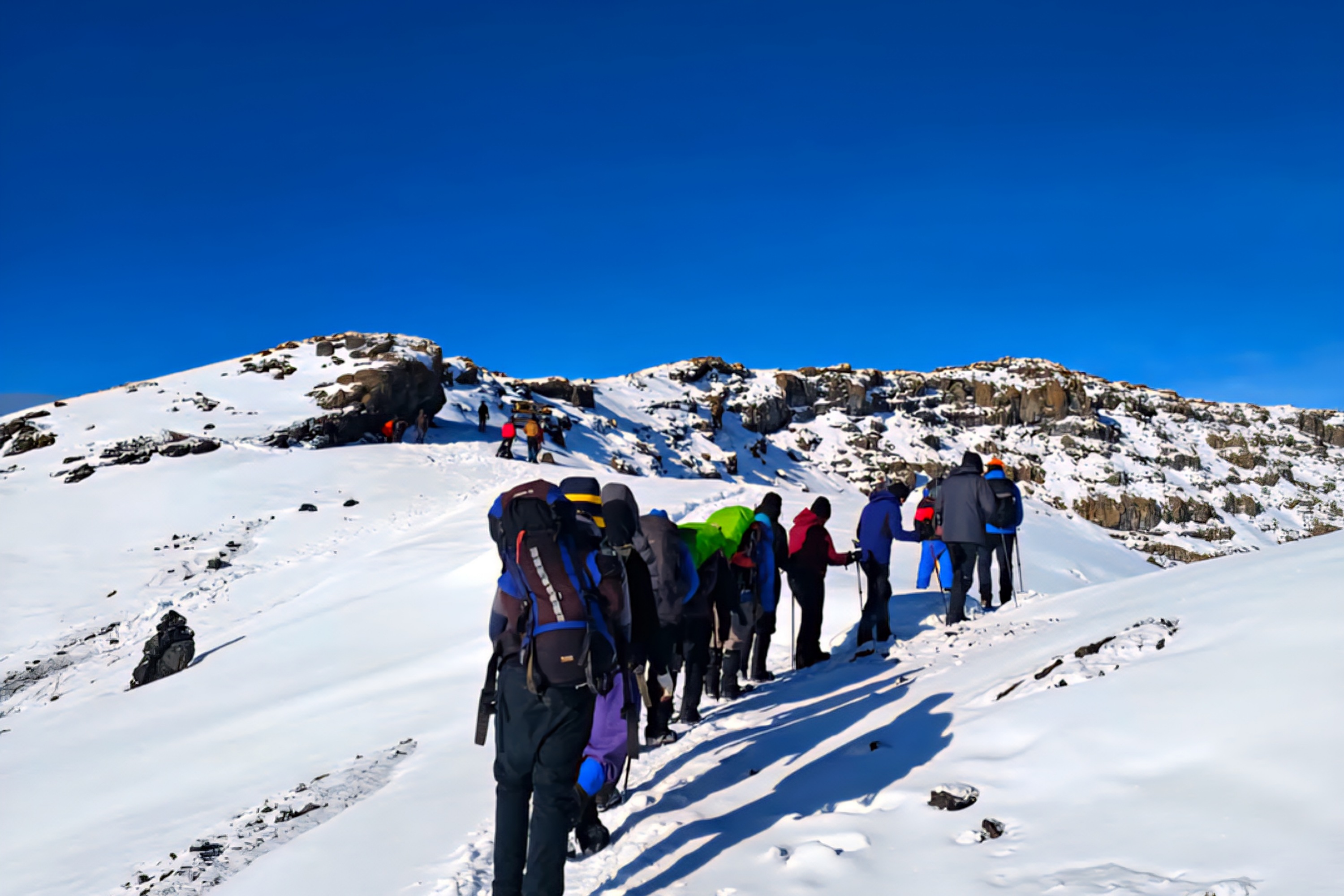
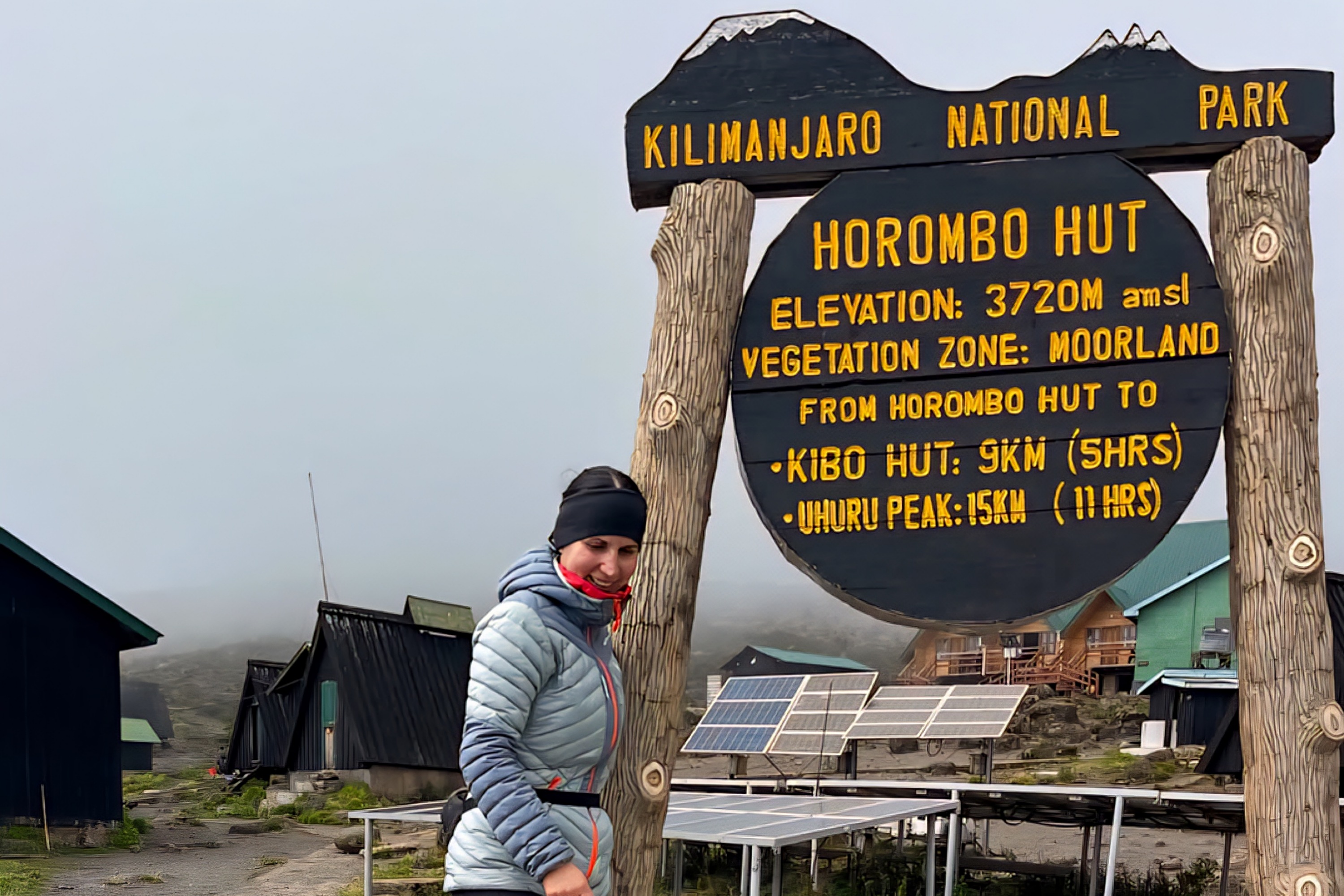
Mount Kilimanjaro offers one of the most iconic trekking experiences in the world, standing as the highest peak in Africa at 5,895 meters. This unforgettable adventure takes you through diverse ecological zones, from lush rainforests and moorlands to alpine deserts and the breathtaking arctic summit. Climbers journey along world-famous routes such as Machame, Marangu, Lemosho, and Rongai, each offering unique scenery and trekking experiences. Along the way, trekkers witness stunning landscapes, dramatic sunrises, and incredible views above the clouds. This trekking experience is perfect for adventurers seeking both challenge and reward, with professional guides, well-planned itineraries, and a life-changing summit moment at Uhuru Peak.
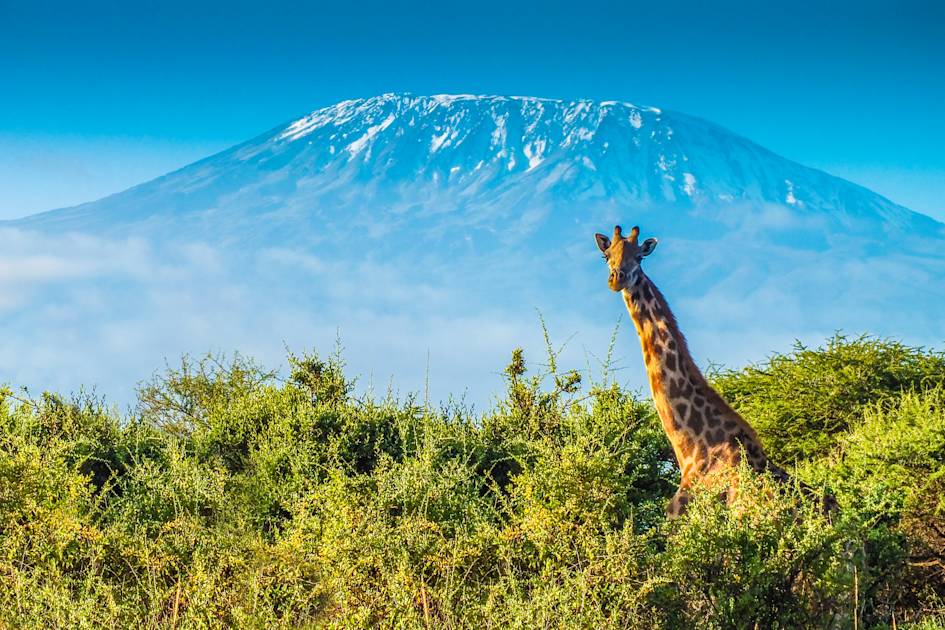


Kilimanjaro Highlights

Uhuru Peak

Highest Point in Africa

Machame Route

Scenic Trekking

Marangu Route

Hut Accommodation

Lemosho Route

Panoramic Views


Mount Kilimanjaro Trekking FAQs

Climbing Kilimanjaro is challenging but achievable for most people with good fitness and proper preparation, as it is a non-technical trek.

The best time is during the dry seasons from January to March and June to October for clearer views and better trekking conditions.

Most climbs take between 5 to 9 days depending on the route, with longer itineraries offering better acclimatization and higher success rates.

No technical climbing experience is required, but good physical fitness and mental preparation are important.

Popular routes include Machame, Marangu, Lemosho, Rongai, and Northern Circuit, each offering different scenery and difficulty levels.

Success rates vary by route and duration, but longer routes like Lemosho and Northern Circuit offer higher success rates above 85%.

You should pack layered clothing, hiking boots, warm gear, a sleeping bag, and essential personal items for varying weather conditions.

Yes, altitude sickness can affect climbers, but proper acclimatization, hydration, and choosing longer routes help reduce risks.

Yes, all Kilimanjaro treks include professional guides, porters, and cooks to ensure safety and comfort throughout the climb.

Yes, all climbers must have a park permit, which is arranged by your tour operator as part of the trekking package.


Explore Africa Like Never Before

Your next unforgettable adventure awaits – vibrant cultures, breathtaking landscapes, and life-changing experiences are just a click away.

Chat with Experts
AfroEast Expert
Safari Consultant
● Online
Chat
Safari Support
Travel Planner
● Online
Chat
DRAG